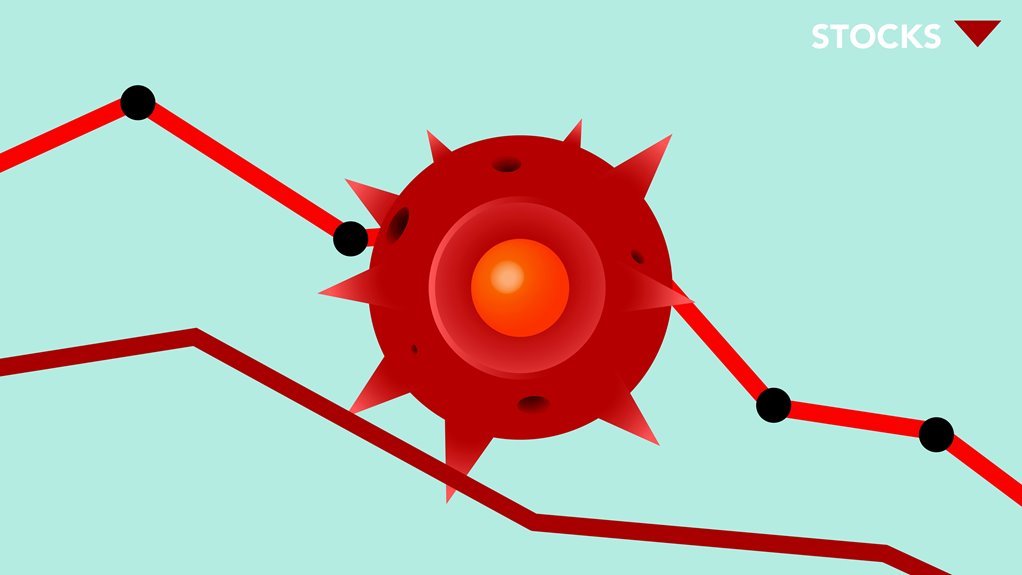
Economic risk presents significant challenges for companies like Cookape Org. Various factors contribute to this risk, including currency fluctuations, interest rate changes, inflation, and political instability. Each type of risk can uniquely impact the organization’s financial stability and operational effectiveness. Understanding these dimensions is crucial. How Cookape Org navigates these interconnected threats may determine its long-term viability in an unpredictable market landscape.
Currency Risk
Currency risk, also known as exchange rate risk, represents the potential for financial loss due to fluctuations in currency exchange rates.
Such currency fluctuations can adversely impact international investments and trade.
To mitigate this risk, businesses often employ hedging strategies, which include financial instruments like options and futures.
These strategies aim to stabilize cash flows and protect against adverse currency movements, ensuring greater financial security.
Interest Rate Risk
Interest rate risk pertains to the potential for financial loss resulting from fluctuations in interest rates, which can significantly affect the cost of borrowing and the return on investments.
Investors in fixed income securities are particularly vulnerable, as rising rates can erode the value of their holdings. Such risks are often influenced by broader economic cycles, necessitating careful management and strategic planning.
Inflation Risk
How does inflation risk manifest in financial markets?
Inflation risk reduces purchasing power, affecting consumer behavior and investment decisions. As the cost of living rises, individuals may prioritize essential goods over investments, leading to decreased market liquidity.
This dynamic can erode savings, distort asset valuations, and spur volatility, ultimately challenging the financial stability that investors strive to achieve in an inflationary environment.
Political Risk
Political risk refers to the potential for financial loss caused by changes in a country’s political environment or government policies.
Factors such as government instability and regulatory changes can significantly impact businesses and investments. Investors must assess these risks to navigate potential upheavals, ensuring strategic decisions align with the evolving political landscape.
Understanding political risk is essential for maintaining financial stability and fostering economic freedom.
Conclusion
In the intricate landscape of economic risk, Cookape Org must navigate the delicate balance between opportunity and vulnerability. As currency fluctuations threaten profitability, rising interest rates cast shadows over growth potential, while inflation erodes consumer confidence. Simultaneously, the specter of political instability looms, challenging the very foundation of strategic planning. By embracing a thorough understanding of these risks, Cookape Org can fortify its resilience, transforming potential threats into avenues for innovation and sustainable success amidst uncertainty.