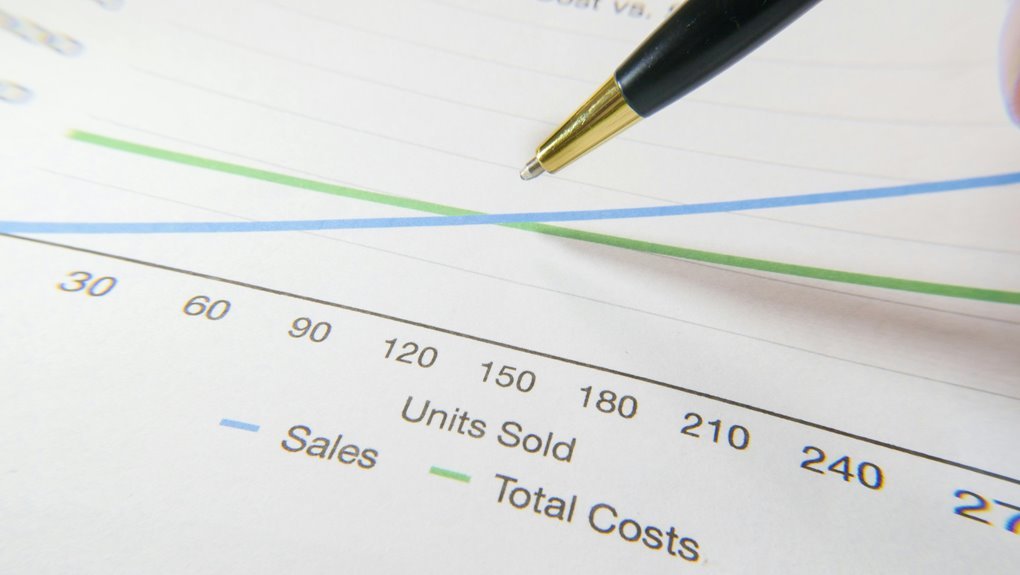
The Standard Deviation Graph serves as a vital tool for visualizing data dispersion. It effectively illustrates the relationship between the mean and variability of data points. This graphical representation aids in identifying trends and patterns that may otherwise remain obscured. Understanding its significance opens doors to informed decision-making across various domains. However, what specific insights can be gleaned from analyzing these graphs? The following sections will explore this further.
Understanding Standard Deviation
Standard deviation serves as a critical statistical measure that quantifies the dispersion of a dataset around its mean.
It involves calculating deviation from the mean, providing insights into variability and consistency. Understanding this metric is essential for assessing statistical significance, as it aids in determining the reliability of results.
A lower standard deviation indicates less variability, enhancing confidence in data interpretations.
The Importance of Standard Deviation Graphs
Graphs illustrating standard deviation play a significant role in visualizing data dispersion and variability.
Their importance in statistics lies in their ability to provide clear, visual data representation, which enhances understanding of data sets.
How to Interpret a Standard Deviation Graph
When interpreting a standard deviation graph, it is essential to focus on the relationship between the mean and the spread of data points. A smaller standard deviation indicates that data points are closely clustered around the mean, suggesting less variability.
Conversely, a larger standard deviation signifies a wider spread, indicating greater variability. Effective graph interpretation aids in understanding data distributions and making informed decisions.
Practical Applications of Standard Deviation Graphs
While various statistical tools exist, the practical applications of standard deviation graphs remain particularly valuable across numerous fields.
In finance, these graphs provide crucial business insights by illustrating market volatility, while in education, they highlight the variability in student performance.
Real-world examples, such as quality control in manufacturing, further demonstrate how standard deviation graphs facilitate decision-making and enhance understanding of data distributions.
Conclusion
In summary, the standard deviation graph serves as a compass in the vast sea of data, guiding analysts through the intricacies of variability. By visually representing the relationship between data dispersion and the mean, it empowers decision-makers across diverse fields to navigate uncertainty with confidence. Understanding and interpreting these graphs not only enhances data comprehension but also fosters informed choices, making them indispensable tools in the arsenal of effective data analysis.