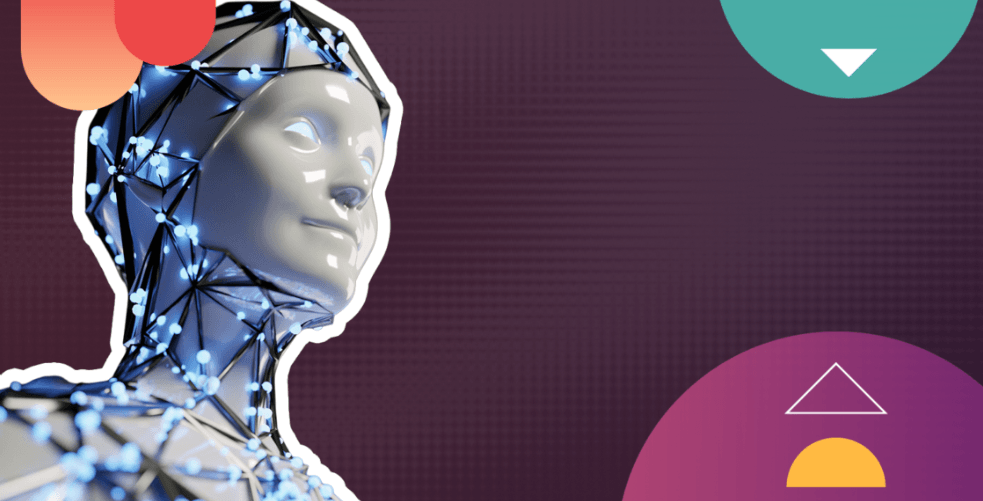
The digital landscape of 2026 is unrecognizable compared to just a few years ago. We live in an era where generative artificial intelligence can draft an essay in seconds, debug code in a blink, and summarize massive textbooks before you can even finish a cup of coffee. It is tempting to believe that the era of human academic experts has come to an end. However, as classrooms and professional industries become saturated with machine-generated content, a counter-movement is growing. Educators and students alike are realizing that while software is fast, it lacks the critical nuance, ethical grounding, and deep-seated intuition that only a human professional provides.
The “AI hallucination” problem hasn’t vanished; it has just become more sophisticated. In 2026, the most successful students are those who recognize that technology is a tool, not a replacement for specialized knowledge. Relying solely on an algorithm for complex university tasks often leads to generic results that fail to meet the rigorous standards of modern rubrics. To truly excel, one needs the touch of someone who has spent years mastering a specific discipline.
The Nuance of Subject Mastery
One of the biggest hurdles for even the most advanced AI is the ability to understand “contextual depth.” If you ask a machine to write about the economic shift in the UK, it will pull data points and mirror existing articles. But it cannot replicate the lived experience or the specialized insight of an academic who understands the subtle political shifts that haven’t yet been codified into a training model. Human experts bring a unique perspective that connects disparate ideas in ways a predictive text engine simply cannot.
When students tell themselves, “I need someone to write my assignment with actual depth,” they aren’t just looking for words on a page. They are looking for an argument that stands up to scrutiny. A human writer understands the “why” behind a thesis statement. They can pivot their tone based on the specific requirements of a professor, ensuring that the work doesn’t just sound smart, but actually is smart. Machines follow patterns; humans break them to create something original.
The Logic Gap in Technical Fields
Technical subjects, particularly in the realm of STEM, highlight the biggest divide between human and machine. In 2026, AI is incredibly proficient at writing boilerplate code. However, it frequently struggles with complex architectural logic or integrating legacy systems with new frameworks. If a student is stuck on a multi-layered software engineering project, a generated snippet of code might look correct but fail during execution because it doesn’t account for the specific environment variables or edge cases that a seasoned developer would spot instantly.
This is where specialized programming homework help becomes a necessity rather than a luxury. An expert programmer doesn’t just give you a script; they explain the logic, optimize the runtime, and ensure the code is documented according to industry standards. This level of mentorship is absent in a chatbot interface. Humans can troubleshoot by asking “What if?” whereas a machine can only answer based on “What is.” For students aiming for high marks in technical degrees, the precision of a human expert is the difference between a functional project and a failing grade.
Ethical Integrity and the Personal Touch
University standards regarding academic integrity have reached an all-time high in 2026. Most institutions now use advanced forensic tools to detect the rhythmic patterns of machine-generated prose. Using a basic AI tool often results in “robotic” writing that lacks a personal voice, making it a red flag for graders. A human expert, conversely, can mirror a student’s unique style while elevating the academic quality of the work.
Beyond just passing a detector, there is the issue of ethical research. AI is notorious for citing sources that do not exist or misinterpreting the findings of a peer-reviewed study. A human professional verifies every fact, checks every citation against the latest MLA or APA guidelines, and ensures that the bibliography is robust and real. This meticulous attention to detail provides a level of security that software cannot offer.
See also: Cookape Org Contact 6788409055 Tech Directory
Critical Thinking vs. Pattern Recognition
At its core, AI is a giant game of “guess the next word.” It doesn’t “know” things in the way we do; it simply recognizes patterns in data. Academic success, however, is built on critical thinking—the ability to challenge a status quo or look at a problem from a completely new angle. When a student chooses to work with a human scholar, they are tapping into a reservoir of critical thought.
Experts can provide feedback that helps a student grow. They can point out flaws in logic that an algorithm would ignore. This collaborative process is what truly prepares a person for a career in the real world. In the workplace, your boss won’t want a generic summary; they will want an informed opinion based on expertise. By prioritizing human-led support now, students develop the skills they need to lead later.
The Future is Hybrid, but the Lead is Human
As we move further into 2026, the novelty of “instant” AI content is wearing off. We are seeing a return to valuing “artisanal” thought—work that shows signs of struggle, deep research, and genuine expertise. While machines will continue to handle the mundane tasks of formatting or spell-checking, the heavy lifting of academic discovery remains a human endeavor.
Choosing to collaborate with a professional ensures that your work remains relevant, accurate, and, most importantly, yours. In a world of digital copies, being an original thinker is the most valuable asset you have.
Conclusion
Ultimately, while AI is a powerful tool for speed and structure, it cannot replace the human intuition, ethical reliability, and deep subject mastery required for top-tier academic success. In 2026, the students who excel are those who prioritize authentic expertise over automated shortcuts. By choosing real professional guidance, you ensure your work remains original, accurate, and capable of standing up to the highest university standards.