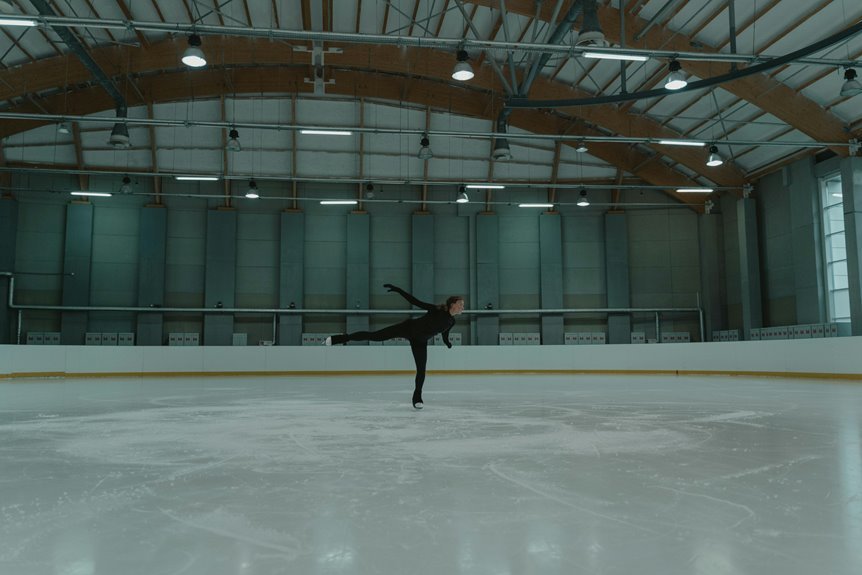
Ice dance blends technical skill with artistic expression, making it a fascinating element of the Olympic Games. You might wonder how this sport evolved from its early days to the creative performances we see today. Judging criteria also play a crucial role, impacting how athletes are evaluated. As you explore the history and notable figures in ice dance, you’ll uncover the layers of artistry that continue to shape this captivating discipline.
History of Ice Dance
Although ice dance may seem like a modern addition to figure skating, its roots trace back to the 19th century when couples began performing intricate patterns on ice.
Pioneering performances showcased the beauty of partnered movement, leading to early competitions that emphasized rhythm and artistry.
This captivating blend of creativity and athleticism has since evolved, shaping the vibrant discipline we celebrate today.
Judging Criteria and Scoring
As ice dance has developed over the years, the criteria for judging performances have become increasingly refined.
Judges evaluate technical elements like lifts, spins, and footwork, while also considering the artistic interpretation of the routine.
You’ll notice how skaters blend athleticism with creativity, as each movement tells a story, making the scoring process a nuanced balance between precision and expression.
Notable Ice Dance Athletes
Ice dance showcases a captivating blend of artistry and athleticism, brought to life by a number of notable athletes who’ve left indelible marks on the sport.
Tessa Virtue and Scott Moir’s seamless performances set a benchmark in ice dance, while Meryl Davis and Charlie White redefined technical precision.
These athletes inspire future generations, embodying the freedom and creativity that define this dynamic discipline.
The Evolution of Ice Dance in the Olympics
Since its debut in the 1908 Olympics, ice dance has undergone significant transformations, reflecting changes in artistic expression and competitive standards.
You’ll notice how performances have evolved, emphasizing creativity and storytelling over mere technicality.
This competitive evolution not only enhances viewer engagement but also allows athletes to showcase their personalities, pushing boundaries and redefining what ice dance means on the Olympic stage.
Conclusion
In conclusion, ice dance isn’t just about gliding across the rink; it’s a powerful blend of emotion and technical skill that tells stories through movement. As you watch these couples, think of them as modern-day troubadours, weaving narratives that resonate with audiences worldwide. The sport’s evolution reflects broader societal changes, and its artistry continues to inspire new generations. So, whether you’re a casual viewer or a die-hard fan, there’s always something mesmerizing to discover in this enchanting discipline.