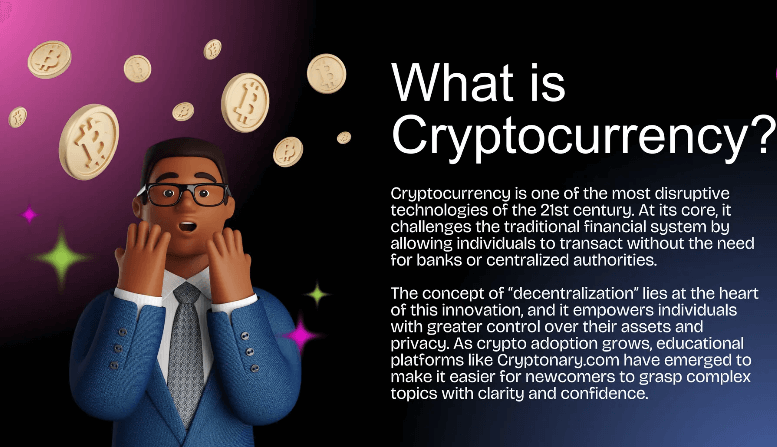
Cryptocurrency, commonly referred to as crypto, has revolutionized the financial landscape, offering decentralized, secure, and fast alternatives to traditional currencies. From Bitcoin and Ethereum to emerging altcoins, crypto has captured the attention of investors, tech enthusiasts, and financial institutions worldwide. Understanding crypto, its technology, market trends, and investment potential is essential for anyone looking to navigate the rapidly evolving digital economy.
What Is Crypto?
The term crypto encompasses digital currencies that leverage blockchain technology to operate without centralized control. Each transaction is encrypted and recorded on a distributed ledger, ensuring transparency, security, and immutability. Unlike traditional fiat currencies, crypto enables peer-to-peer transactions without intermediaries, reducing transaction fees and increasing efficiency. Beyond currency, crypto includes digital assets like tokens used for smart contracts, decentralized applications (dApps), and non-fungible tokens (NFTs), expanding its utility across industries.
Importance of Crypto in Modern Finance
The rise of crypto has disrupted traditional financial systems, providing alternatives to banks, payment gateways, and investment platforms. It allows for borderless transactions, financial inclusion for unbanked populations, and protection against inflation in volatile economies. Investors leverage crypto to diversify portfolios, hedge against traditional market risks, and participate in emerging financial products like decentralized finance (DeFi). With growing adoption, crypto continues to influence global finance, driving innovation in payments, lending, and asset management.
Current Crypto Trends
Staying updated on crypto trends is crucial for investors and enthusiasts alike. Key trends include the increasing adoption of decentralized finance (DeFi), which enables lending, borrowing, and trading without intermediaries. Stablecoins, pegged to fiat currencies, are gaining traction for their stability amid market volatility. Institutional investment in crypto is rising, with companies and funds allocating significant capital to Bitcoin, Ethereum, and other prominent coins. Additionally, blockchain innovations, Layer 2 scaling solutions, and the growth of NFT marketplaces are reshaping the broader crypto ecosystem.
Crypto in Everyday Life
Crypto is not just an investment tool—it’s increasingly integrated into daily financial activities. Retailers accept cryptocurrencies for goods and services, while payment platforms enable seamless crypto transactions. Crypto wallets and mobile applications allow users to send, receive, and store digital currencies conveniently. NFTs have transformed digital ownership, enabling artists, gamers, and content creators to monetize digital assets. These applications highlight how crypto is becoming a practical and accessible component of modern financial life.
Benefits of Investing in Crypto
Investing in crypto offers numerous advantages, including high growth potential, portfolio diversification, and participation in innovative technologies. Unlike traditional assets, cryptocurrencies are accessible 24/7 and can be traded globally without restrictions. Investors can also benefit from staking, yield farming, and other passive income opportunities within the DeFi space. Moreover, crypto ownership empowers individuals with control over their financial assets, reducing reliance on centralized institutions and intermediaries.
Risks and Considerations in Crypto
While crypto presents opportunities, it also carries risks. Market volatility can lead to significant price fluctuations, and regulatory changes may impact the value and legality of certain digital assets. Security threats, including hacking and phishing, require careful management of wallets and private keys. Additionally, misinformation and speculative trends can mislead inexperienced investors. Understanding these challenges and practicing responsible investment strategies is essential for success in the crypto market.
The Future of Crypto
The future of crypto looks promising as mainstream adoption continues to grow. Advancements in blockchain scalability, privacy, and interoperability will enhance usability and security. Governments and regulatory bodies are increasingly exploring frameworks for legal and compliant cryptocurrency operations. Emerging trends like central bank digital currencies (CBDCs) and Web3 applications are likely to coexist with decentralized crypto, expanding its role in finance, governance, and digital economies. As technology evolves, crypto is poised to redefine how we transact, invest, and interact with financial systems globally.
Conclusion
Crypto is more than a digital currency—it’s a transformative financial technology reshaping investment, payments, and digital ownership. From blockchain innovations to DeFi applications and NFTs, the crypto ecosystem continues to grow, offering unprecedented opportunities and challenges. Staying informed about market trends, understanding risks, and adopting secure practices are essential for anyone engaging with crypto. By embracing the evolving landscape of cryptocurrency, investors and users alike can harness its potential for growth, innovation, and financial empowerment. Crypto represents the future of money, promising a decentralized, inclusive, and technologically advanced financial world.