In the modern world, tech has become the backbone of human progress, transforming how we live, work, communicate, and even think. From smartphones and artificial intelligence to space exploration and biotechnology, the reach of technology extends into every corner of our existence. The term “tech” is no longer limited to gadgets; it now represents a global movement toward innovation, automation, and smarter living. This article dives into the world of tech, its evolution, major trends, and its impact on our daily lives and future.
The Evolution of Tech
The story of tech begins with human curiosity and the drive to solve problems. From the invention of the wheel to the first computer, every era has witnessed groundbreaking innovations that reshaped society. The digital revolution of the late 20th century marked a turning point when tech became integral to both personal and professional life. Today, we rely on technology for communication, healthcare, education, entertainment, and governance. What once seemed futuristic—like AI assistants or driverless cars—has now become a part of everyday life.
How Tech Shapes Daily Life
Whether you’re ordering food online, using navigation apps, or streaming movies, tech plays a silent yet powerful role behind the scenes. Smartphones have evolved into portable command centers, connecting billions across the globe. Cloud computing allows people to work remotely, while wearable tech helps monitor health in real-time. Even industries like agriculture and construction have integrated tech to improve efficiency, accuracy, and sustainability. The convenience that technology offers has made it nearly impossible to imagine a world without it.
The Rise of Artificial Intelligence in Tech
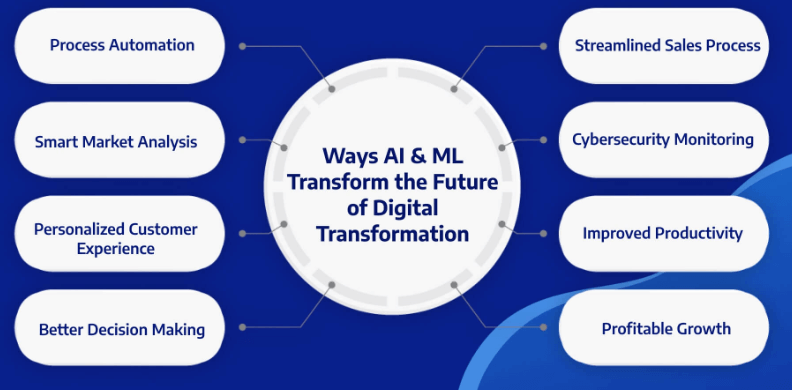
One of the most transformative elements of modern tech is artificial intelligence (AI). AI is revolutionizing industries by automating tasks, analyzing massive data sets, and enhancing decision-making. From chatbots and virtual assistants to self-driving cars and predictive analytics, AI technology is redefining productivity and innovation. However, it also raises ethical questions about privacy, data use, and the future of human employment. Striking a balance between innovation and responsibility is one of the greatest challenges the tech industry faces today.
Emerging Tech Trends
Every year, new tech trends reshape how people and businesses operate. In 2025 and beyond, the spotlight shines on innovations like quantum computing, blockchain, augmented reality (AR), virtual reality (VR), and the Internet of Things (IoT). Quantum computing promises to solve complex problems faster than traditional computers ever could. Blockchain continues to revolutionize finance and security through decentralized systems. Meanwhile, AR and VR are redefining entertainment, education, and digital experiences. These tech innovations are not just trends—they are building blocks of a smarter, more connected future.
The Role of Tech in Business Growth
For businesses, adopting tech is no longer optional—it’s essential. Digital transformation has redefined how companies interact with customers, manage data, and deliver services. Cloud platforms, automation tools, and AI analytics have made it easier for even small businesses to compete globally. Tech-driven marketing, e-commerce, and cybersecurity are at the heart of this revolution. Organizations that fail to adapt risk being left behind in an increasingly digital marketplace. In short, tech is not just supporting business growth—it’s driving it.
How Tech Improves Education
The world of education has also undergone a radical transformation thanks to tech. Online learning platforms, virtual classrooms, and AI-powered tutoring have made knowledge accessible to millions. Students can now learn coding, design, or data science from anywhere in the world. Educators use smart tools to personalize lessons, track progress, and enhance engagement. The integration of technology in education has broken barriers of geography and affordability, creating a more inclusive learning environment.
The Future of Tech and Sustainability
As powerful as it is, tech must evolve responsibly to address global challenges like climate change and resource scarcity. Green technology, or sustainable tech, focuses on reducing carbon footprints and promoting renewable energy. Innovations like electric vehicles, smart grids, and energy-efficient AI models show that technology can coexist with environmental goals. The next phase of tech advancement must prioritize sustainability, ensuring progress without compromising the planet.
Challenges in the Tech Industry
Despite its benefits, the tech industry faces several challenges. Data privacy, misinformation, cybersecurity threats, and AI ethics are major concerns. As more devices become connected through the IoT, vulnerabilities also increase. Companies and regulators are under pressure to create transparent policies and safeguard user data. Furthermore, the digital divide between developed and developing regions remains a pressing issue. Ensuring that everyone has access to technology will determine how equitable the future truly becomes.
Why Tech Is the Future
Every major global advancement today is tied to tech in some way. Whether it’s medical breakthroughs through biotechnology, sustainable farming through smart sensors, or interplanetary missions led by private space companies, technology is the common denominator. As innovation accelerates, humans are entering an era where tech and creativity blend seamlessly. The future will be defined by intelligent systems, interconnected devices, and limitless opportunities to solve problems once thought impossible.
Final Thoughts
In conclusion, tech is not just about gadgets and apps—it’s about progress, empowerment, and the human drive to create something better. It shapes industries, inspires innovation, and connects the world in ways never imagined before. The power of technology lies in how we choose to use it—whether to enhance lives, protect the planet, or bridge divides. As the world continues to evolve, one thing remains certain: tech will always be at the heart of transformation, driving humanity toward a smarter, more connected, and more sustainable future.